
Landlord Lessons: Ask an Expert – The Road to Eviction
What Every Landlord Should Know Before Starting an Eviction
- FrontLobby
- Published

Table of Contents
Watch the Full Webinar Replay
The Alberta Case That Changed the Conversation
Strong Tenant Screening Helps Prevent Costly Problems
A Clear Lease Agreement Reduces Future Disputes
Documentation Wins Cases
Routine Inspections Help Protect Your Property
Knowing When It’s Time to Begin the Eviction Process
Recovering Unpaid Rent After a Tenant Leaves
Frequently Asked Questions
Most evictions don’t begin with a notice.
They begin with a rushed Tenant approval, unclear expectations, missed warning signs, or waiting too long to address a problem.
During FrontLobby’s Landlord Lessons: Ask an Expert webinar, moderator Kory MacKinnon was joined by Danielle Chiasson, Kayla Andrade, and former Landlord and Tenant Board paralegal Jordan Nieuwhof to discuss how Housing Providers can reduce the likelihood of ever reaching the eviction stage.
Rather than focusing only on the legal process, the conversation explored the decisions that happen long before a hearing, from Tenant Screening and lease agreements to inspections, documentation, and communication.
Whether you’re new to owning rental property or managing a growing portfolio, these practical lessons can help you better protect your investment while building stronger Landlord-Tenant relationships.
Watch the Full Webinar Replay
Want to hear the full discussion?
Watch the complete Landlord Lessons: Ask an Expert – The Road to Eviction webinar below for practical advice from experienced Housing Providers and industry professionals.
The Alberta Case That Changed the Conversation
The webinar opened with a real-life Alberta case that demonstrates how quickly a tenancy can spiral when warning signs go unnoticed.
After entering into a rent-to-own agreement, a Housing Provider eventually discovered extensive damage to their property after the Tenant stopped paying rent. According to the panel, the home had been converted into what appeared to be an animal breeding operation, resulting in approximately $80,000 in damages before the Tenant vacated the property.
While the story was dramatic, the panel agreed the biggest lesson wasn’t the damage itself.
It was everything that happened beforehand.
Strong Tenant Screening, clear lease agreements, regular inspections, and consistent documentation all help reduce risk long before an eviction becomes necessary. Instead of viewing eviction as a single legal event, the panel encouraged Housing Providers to see it as the result of many earlier decisions.
As Kory MacKinnon explained, the goal isn’t simply knowing how to navigate an eviction, it’s building systems that help prevent one in the first place.
Strong Tenant Screening Helps Prevent Costly Problems
The best way to avoid a difficult eviction is to reduce the chances of renting to the wrong Tenant in the first place.
Following the Alberta case study, Danielle Chiasson reminded attendees that pressure to fill a vacancy should never replace a thorough screening process. An extra week spent finding the right Tenant is often far less costly than months of unpaid rent, property damage, and legal proceedings.
The panel recommended developing a consistent Tenant Screening process that includes:
- Verifying employment and income.
- Reviewing a Tenant Credit Check.
- Contacting previous Landlords whenever possible.
- Confirming the information provided on the rental application.
- Looking for inconsistencies before approving an applicant.
One recommendation that stood out was to speak with a previous Landlord, not only the current one.
A current Landlord may have an incentive to provide a positive reference if they’re hoping a difficult Tenant moves elsewhere. A previous Landlord is often better positioned to provide an objective perspective on the applicant’s rental history.
No screening process can eliminate every risk, but a consistent approach helps Housing Providers make informed decisions instead of rushed ones.
Build Confidence Before You Sign the Lease
FrontLobby’s Tenant Screening tools help Housing Providers make informed leasing decisions with comprehensive Tenant Credit Checks and additional screening insights.
A Clear Lease Agreement Reduces Future Disputes
A lease agreement does more than outline the terms of a tenancy, it sets expectations that can prevent disputes months or even years later.
The panel stressed that while Ontario’s Standard Lease provides a solid foundation, many Housing Providers benefit from using additional schedules or addendums to clarify responsibilities that may not be covered in detail.
These may include:
- Utility responsibilities.
- Parking arrangements.
- Lawn care and snow removal.
- Shared spaces.
- Internet services.
- Laundry facilities.
- Appliances and rented equipment.
- Amenities such as pools or hot tubs.
Jordan Nieuwhof explained that if a disagreement eventually reaches a tribunal, adjudicators aren’t trying to determine what each party meant, they’re looking at what was actually agreed to. The more clearly responsibilities are documented, the easier it is to demonstrate those expectations later.
Danielle Chiasson shared that her lease package has grown over the years as she’s encountered new situations. Each addition came from experience and was designed to answer questions before they became disputes.
The takeaway is simple:
If something matters during the tenancy, it should be addressed in writing before the keys are handed over.

Documentation Wins Cases
Good documentation protects both your property and your position if a dispute reaches a hearing.
Throughout the webinar, the panel returned to one recurring message: evidence is far more reliable than memory.
Rather than trying to reconstruct events months later, Housing Providers should build a habit of documenting the tenancy from day one. That includes maintaining organized records of lease agreements, payment history, notices, maintenance, inspections, and communication with the Tenant.
Kayla Andrade also recommended recording a detailed move-in walkthrough. In addition to photographs, a narrated video can capture the property’s condition, identify major appliances, and document fixtures before the tenancy begins. Recording model and serial numbers where practical can also help if items are later damaged or removed.
This documentation serves two purposes.
First, it helps resolve misunderstandings while the Tenant is still living in the property.
Second, if a dispute proceeds to a hearing, it provides the evidence needed to support your position.
As Jordan explained, decision-makers rely on facts that can be verified, not conversations that no one recorded. Keeping organized records throughout the tenancy makes it much easier to demonstrate what happened and when.
Routine Inspections Help Protect Your Property
Routine inspections aren’t about looking for problems, they’re about finding small ones before they become expensive.
The Alberta case discussed at the beginning of the webinar highlighted what can happen when serious issues go unnoticed for too long. Regular inspections give Housing Providers an opportunity to identify maintenance concerns, verify that smoke and carbon monoxide detectors are functioning, and ensure the property is being cared for as expected.
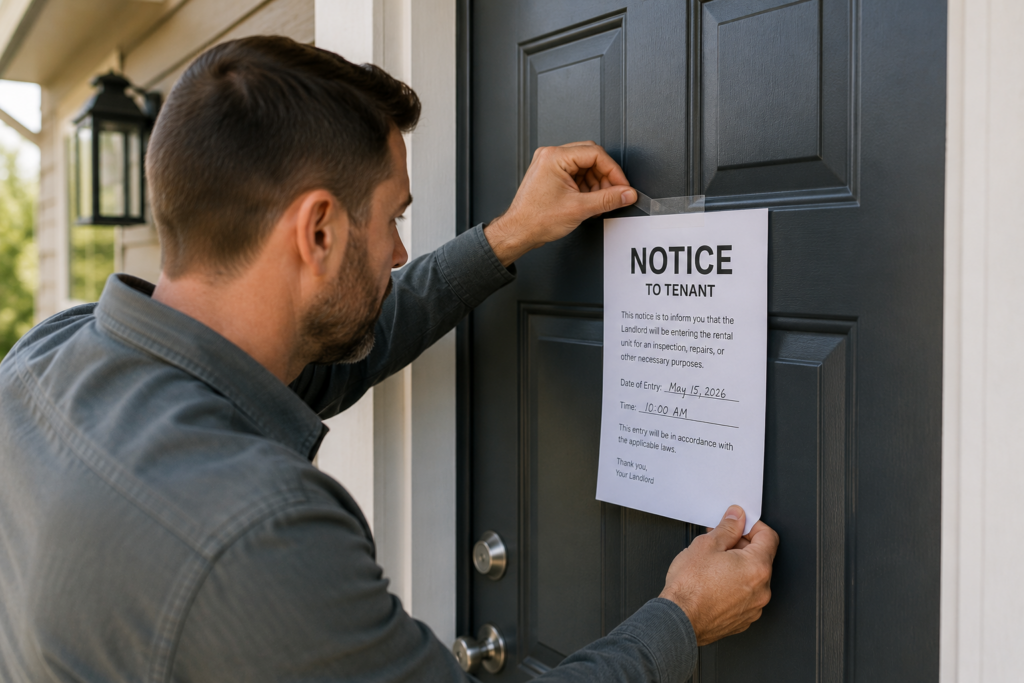
The panel emphasized that inspections should always comply with provincial legislation, including any notice requirements, while respecting a Tenant’s reasonable enjoyment of the property.
Rather than inspecting at random, many experienced Housing Providers schedule visits around seasonal maintenance, including:
- Smoke and carbon monoxide detector testing.
- HVAC and furnace maintenance.
- Plumbing and water shut-off inspections.
- Follow-up visits after repairs.
- General seasonal property checks.
These visits not only help identify maintenance issues early, but also create another opportunity to update your documentation and maintain open communication with the Tenant.
Regular inspections demonstrate that the property is being actively managed, a benefit for both Housing Providers and responsible Tenants alike.
Knowing When It's Time to Begin the Eviction Process
Taking early action doesn’t mean rushing to evict a Tenant, it means following a consistent process when problems arise.
One of the most common mistakes discussed during the webinar was waiting too long after rent is missed.
It’s natural to hope a late payment is a one-time issue, but allowing missed payments to continue without documentation or formal action can make the situation more difficult to resolve later.
The panel encouraged Housing Providers to communicate with the Tenant as soon as concerns arise. An early conversation can often clarify whether the issue is temporary or part of a larger pattern.
At the same time, communication shouldn’t replace following the legal process required in your province. Every missed payment, notice, and payment arrangement should be documented so you have a clear record if further action becomes necessary.
The goal isn’t to escalate every situation.
It’s to respond consistently, protect your rental business, and avoid finding yourself months behind before taking the first formal step.
Recovering Unpaid Rent After a Tenant Leaves
An eviction may end the tenancy, but it doesn’t always end your options.
The panel reminded attendees that unpaid rent doesn’t simply disappear because a Tenant has moved out. While every situation is different, maintaining accurate documentation throughout the tenancy gives Housing Providers more options for pursuing outstanding rental debt after possession has been returned.
Kayla Andrade also noted that accountability benefits the rental housing industry as a whole. When rental payment history is properly documented, it can help encourage responsible behaviour and provide future Housing Providers with a more complete picture during the screening process.
For FrontLobby users, tools like Rent Reporting and Debt Reporting can help document rental payment history and eligible unpaid rental debt, creating greater accountability while supporting more informed rental decisions.
Helpful Resources for Housing Providers
Looking to strengthen your rental process before problems arise?
FrontLobby offers resources designed to help Housing Providers throughout the tenancy, including:
- Tenant Screening – Make more informed leasing decisions with comprehensive Tenant Credit Checks and screening tools.
- Rent Reporting – Report on-time rent payments to help eligible Tenants build credit while encouraging payment accountability.
- Debt Reporting – Document eligible unpaid rental debt to promote accountability and support future screening decisions.
Explore FrontLobby’s solutions to help protect your rental business.
Frequently Asked Questions
Waiting too long to act. The panel emphasized that many costly disputes begin when missed rent or lease violations aren’t addressed early. Prompt communication, consistent documentation, and following the proper legal process help prevent small problems from becoming much larger ones.
Inspection schedules vary by province and property, but regular inspections tied to seasonal maintenance are a practical approach. Always provide the required notice and comply with your provincial legislation before entering a rental unit.
A clear lease agreement reduces misunderstandings by outlining each party’s responsibilities from the start. Addendums covering utilities, maintenance, parking, and amenities can provide additional clarity if questions arise later.
Maintain copies of lease agreements, inspection reports, photographs, videos, notices, payment records, maintenance invoices, and written communication. Organized documentation is one of the strongest tools a Housing Provider can have if a dispute reaches a hearing.
Depending on your province and the circumstances, you may still have options for pursuing unpaid rental debt. Keeping accurate records throughout the tenancy makes it easier to support any future collection efforts.
Not necessarily. The panel agreed that many issues can be resolved through early communication, consistent processes, and proper documentation. The objective is to address problems before they escalate—not to evict whenever a challenge arises.
Disclaimer
The information provided in this post is not intended to be construed as legal advice, nor should it be considered a substitute for obtaining individual legal counsel or consulting your local, state, federal or provincial tenancy laws.

Did You Enjoy This Article?
Then You Will Love Our Newsletter