
Landlord Lessons: The Insurance Mistakes That Could Cost US Landlords Thousands
What US Landlords Should Know About Landlord Insurance, Liability Risk, Tenant Insurance, and Costly Coverage Gaps
- FrontLobby
- Published
Table of Contents
Watch the Full Webinar Replay
Why Insurance Confuses So Many Landlords
What Landlord Insurance Is Designed to Cover
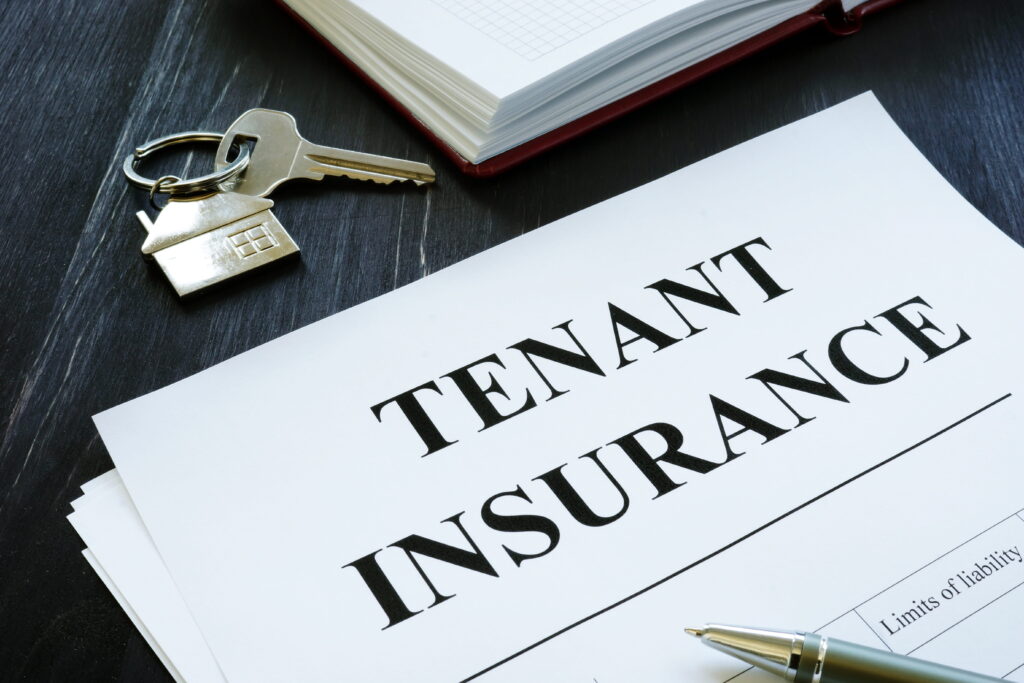
What Tenant Insurance Is Designed to Cover
Where Liability Risks Often Get Missed
Fire, Water, and Other Real World Damage Scenarios
Why More Landlords Now Require Tenant Insurance
What to Review in Your Policy Right Now
Insurance Should Be Part of a Bigger Risk Strategy
Frequently Asked Questions
Many Landlords assume they are protected until a claim happens and they learn a major gap exists.
The problem is not that Landlords ignore insurance. The problem is that many policies are difficult to read, easy to misunderstand, and full of limits that do not become obvious until after damage, injury, or lost rent enters the picture.
In this Landlord Lessons webinar, Rick Albert spoke with Daniel McCommons of Honeycomb Insurance and Rob Vendramin of ePremium Insurance about where coverage starts, where it stops, and why more Housing Providers are taking a broader view of risk. The discussion focused on real rental situations, not just policy language.
The clearest takeaway was simple. Insurance works best when it is part of a larger system that includes strong leases, good maintenance, clear communication, documentation, and practical tools such as Rent Reporting that support accountability in the rental relationship.
Watch the Full Webinar Replay
Why Insurance Confuses So Many Landlords
Insurance is one of those topics that sounds straightforward until you open the policy. Many Landlords know they have coverage, but they are not always clear on what is covered, what is excluded, and where responsibility shifts from the owner to the Tenant.
That confusion grows because every state, property type, and carrier can introduce different terms or requirements. A single-family rental in Texas may not be handled in the same way as a small multifamily property in California or a condo unit governed by an association. That is why the speakers repeatedly emphasized broad guidance and the need to review details with qualified professionals in the local market.
A common misunderstanding is assuming a Landlord policy covers everything that happens at the property. It does not. Another is assuming a Tenant’s insurance only protects the Tenant’s furniture. It does much more than that. When those assumptions go unchecked, Landlords can be left with uncovered damage, unexpected legal exposure, or gaps in lost rent protection.
What Landlord Insurance Is Designed to Cover
Daniel broke Landlord insurance into three big buckets that every property owner should understand. First, the policy is designed to protect the physical building. That usually means the structure itself, and in many cases attached or detached structures and some owner provided property. Depending on the policy, it may also include certain building systems or equipment.
Second, Landlord insurance provides liability protection. If someone is injured at the property and the owner is found legally responsible, the liability portion can help with legal costs, medical expenses, settlements, or judgments. This is one of the most important parts of the policy, and it is often underappreciated until a serious claim appears.
Third, many Landlord policies include loss of rental income coverage. This matters because the building is not just an asset. It is also a source of income. If a covered loss makes the property uninhabitable, this coverage can help replace rent while repairs are being made.
What Landlord insurance does not do is cover every problem at the property. Policies are generally built for sudden and accidental losses, not ongoing maintenance issues, wear and tear, or preventable conditions that a Landlord failed to address. That distinction matters because many expensive disputes begin when someone expects insurance to solve a maintenance problem that never should have been left unresolved.
What Tenant Insurance Is Designed to Cover
Rob explained Tenant insurance just as clearly. At a high level, it is designed to protect the Tenant’s personal property, provide personal liability coverage, and pay additional living expenses when a covered loss forces the Tenant out of the unit temporarily.
That additional living expense coverage is a major benefit that Tenants often overlook. If there is a fire or another covered event and the unit cannot be occupied, the Tenant may need temporary housing right away. Without Tenant insurance, some Tenants assume the Landlord will pay for a hotel, replace their belongings, or find them another place to live. That assumption often leads to frustration and conflict.
Tenant insurance can also respond when the Tenant is legally liable for damage or injury. If a Tenant’s dog bites someone, for example, that liability may sit with the Tenant’s policy. If there is no policy in place, injured parties may look for another party to pursue, and that often means the Landlord or Property Manager gets pulled into the problem.
Where Liability Risks Often Get Missed
Liability is one of the most misunderstood parts of rental property insurance. Some Landlords focus almost entirely on the building and forget that lawsuits tied to injuries can become just as expensive, if not more expensive, than property damage claims.
A slip and fall is a good example. If someone falls because of broken stairs, poor lighting, deferred maintenance, or an unsafe walkway, the Landlord policy may be the first place that responds. In colder climates, something as simple as where water is discharged can create an icy path and turn into a claim. Small maintenance oversights can become costly liability events.
The webinar also highlighted how pet related claims create gray areas. If a Tenant’s animal injures someone, the Tenant’s insurance policy may be involved. But the question of responsibility is not always simple. If the property allowed the animal, if the fencing was inadequate, or if common areas were involved, the Landlord may still be part of the claim discussion.
The same principle applies to parties, guests, and activity inside the unit. If a guest is injured because of something the Tenant did or failed to do, the Tenant’s policy may be relevant. If the issue relates to the condition of the property itself, the Landlord policy may be drawn in. That is why liability should never be treated like an afterthought.
Fire, Water, and Other Real World Damage Scenarios
The webinar became especially useful when the speakers moved from concepts to real world scenarios. Kitchen fires, overflowed tubs, electrical fires, and other accidental events are exactly the kinds of situations where confusion often starts.
In a typical Tenant caused damage scenario, the Landlord policy may respond first to repair the structure. After that, the insurer may try to recover some of the loss from the Tenant’s policy if the Tenant caused the damage. This is one reason requiring Tenant insurance matters. It creates another source of recovery instead of leaving the Landlord to absorb more of the loss.
If the Tenant does not have insurance, the process usually becomes harder. The Landlord may still have structural coverage, but the recovery path can shift from an insurer to the individual Tenant. That is slower, less certain, and often more expensive to pursue.
The speakers also pointed out another practical issue. Coverage limits matter. If the Tenant’s policy limit is too low, a serious fire or water loss can exhaust the available coverage quickly. At that point, the Landlord may be left with the uncovered remainder unless they decide to pursue legal action against the Tenant personally.
Why More Landlords Now Require Tenant Insurance
More Landlords now require Tenant insurance because they better understand what it does for both sides of the tenancy. It protects the Tenant’s belongings and temporary living costs, and it also creates a clearer liability structure when damage or injury happens.
Just as important, requiring Tenant insurance signals that a Landlord is thinking about risk management in a more professional way. Daniel noted that even if the requirement does not dramatically change underwriting on its own, it shows that the owner or manager is taking the rental operation seriously.
Tenant insurance can also reduce misunderstandings. When expectations are written into the lease and the Tenant knows coverage is required, there is less room for confusion after a claim. That makes the conversation more objective and helps reduce disputes about who should pay for what.
For many Landlords, this fits naturally with a broader effort to improve operations. Along with insurance requirements, stronger documentation and clear lease language can support more consistent communication and Rent Reporting can reinforce accountability around the payment side of the tenancy.
What to Review in Your Policy Right Now
The webinar closed with practical advice on what Landlords should review right away. Daniel focused on three major items:
- reconstruction cost, because replacement cost can rise faster than property values and inflation can leave buildings underinsured
- liability limits, because many owners carry less protection than their overall risk requires
- loss of rental income coverage, because a covered loss can interrupt cash flow for months while repairs are completed
Rob added several operational steps from the Tenant’s insurance side that Landlords should not skip:
- require proof of coverage rather than assuming a Tenant purchased the policy
- require that ownership or management be listed as an additional interested party, so cancellation notices are sent if coverage lapses
- set a clear liability requirement in the lease or lease addendum, with 100,000 dollars often treated as the floor and higher limits considered where appropriate
- avoid vague or misleading language and be clear that Tenant insurance is not the same thing as general liability coverage
Insurance Should Be Part of a Bigger Risk Strategy
The most important idea in the webinar was not about any single policy feature. It was about the mindset.
Insurance should be treated as one part of a broader risk management strategy. It works best when Landlords maintain their properties, document updates and incidents, communicate clearly with Tenants, review their leases, and understand their coverage before a claim happens.
That broader strategy can also include smart operational tools. One example is FrontLobby, which helps Housing Providers strengthen accountability and improve rental operations. Insurance cannot prevent every claim, but good systems can reduce confusion, improve documentation, and help Landlords respond more effectively when issues arise.
At the end of the day, the costliest insurance mistakes are often not dramatic. They are the quiet mistakes. Assuming coverage exists when it does not. Carrying limits that are too low. Failing to require Tenant insurance. Using weak lease language. Waiting until after a loss to understand the policy. Those are the mistakes that can cost Landlords thousands.
Featured Resources
Frequently Asked Questions
It is generally designed to cover the physical building, liability exposure tied to the property, and loss of rental income after a covered loss. It is not intended to cover every maintenance issue or preventable condition.
Tenant insurance is usually designed to cover the Tenant’s personal property, personal liability, and additional living expenses if a covered loss makes the unit temporarily uninhabitable.
In many markets, yes. Landlords often include the requirement in the lease or a lease addendum and specify a minimum liability limit and proof of coverage expectations. Local rules still matter, so owners should confirm requirements in their state or jurisdiction.
The Landlord policy may respond to structural damage first, but insurers may then try to recover from the Tenant’s policy if the Tenant caused the loss. That process is usually much easier when the Tenant has insurance in place.
The Landlord may still have coverage for the structure but recovering the loss beyond that can become more difficult. In many cases, the owner would need to pursue recovery from the Tenant directly.
Many owners should at least review the option. Umbrella coverage can provide an added layer of liability protection above the limits in the underlying policy, which can matter when a serious injury claim or lawsuit appears.
Disclaimer
The information provided in this post is not intended to be construed as legal advice, nor should it be considered a substitute for obtaining individual legal counsel or consulting your local, state, federal or provincial tenancy laws.

Did You Enjoy This Article?
Then You Will Love Our Newsletter